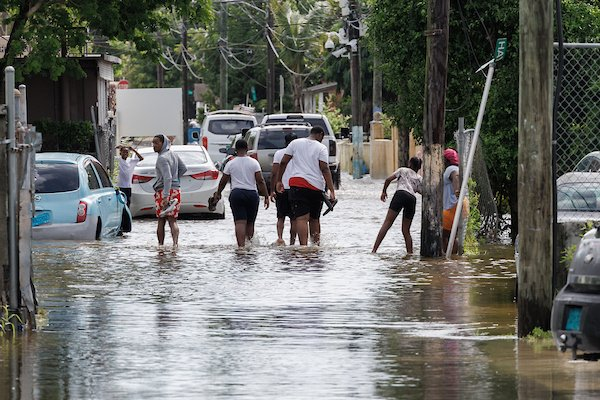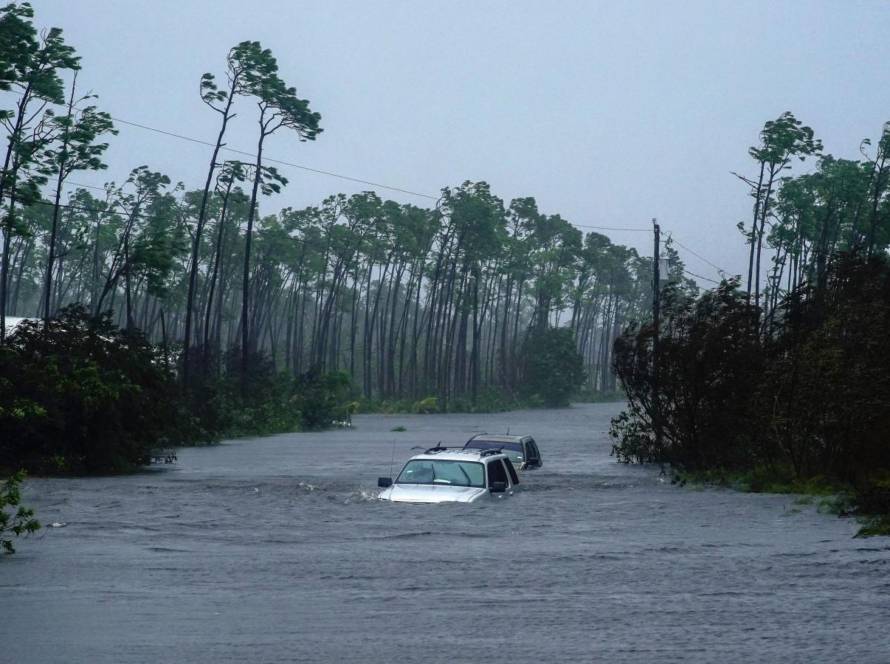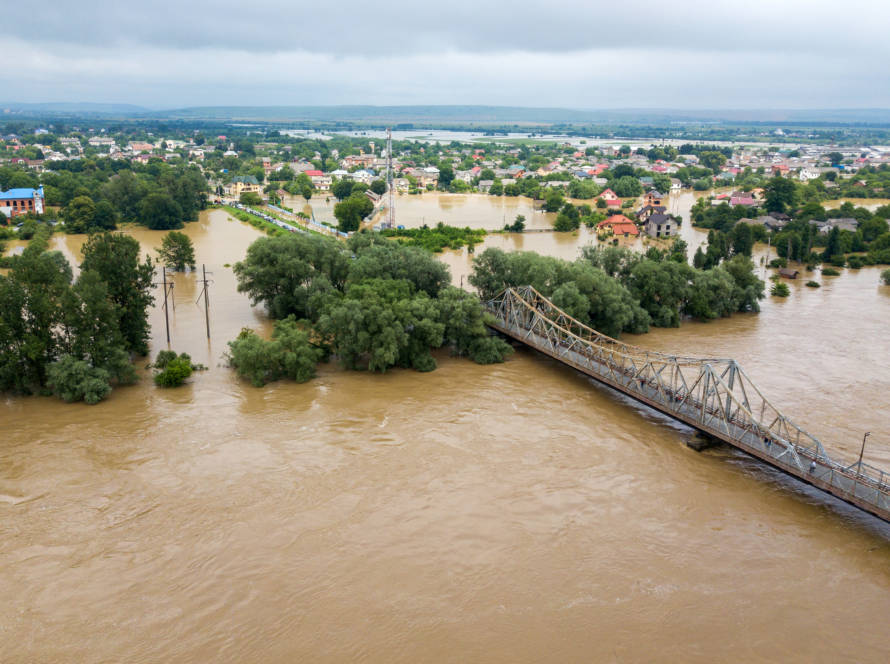



We are now all quite familiar with this sight: cars stalled in high, stagnant flood waters, residents wading through flooded homes and streets, office workers begrudgingly driving through flooded streets for inconsiderate employers–sorry, they would have you think that their employees are “essential workers” and must go to work by any means–while praying that their small, low cars will make it through. In The Bahamas, flooding and flood risks are no longer an occasional inconvenience, or a background character to storms and hurricanes. Flooding is a chronic and dangerous feature, a standalone natural hazard, that is the new reality for our lives.
Yet, despite decades of warnings and repeated flooding events, governments continue to treat flooding as a passing disturbance rather than a disastrous hazard and a threat to national safety and economic stability. The reality is simple: The Bahamas has not invested nearly enough money, time, and energy into flood risk management. And until it does, Bahamians continue to be forced to put their lives on the line every time heavy rain falls.
Flooding in our islands has many causes. From aging and inadequate drainage systems, environmentally negligent and unregulated development practices, poor urban planning, high water tables, storm surges, low-lying lands, and the relentless rise of sea levels brought by climate change, a flood event is always on the horizon. In Nassau, a single afternoon of Spring Showers can turn major roads into swimming pools. On the Family Islands, entire settlements find their roads cut off and inaccessible for days, with no surety on when the waters will recede. Yet, despite the clear and growing danger, flood mitigation receives little sustained investment, with the development practices that increase flood risk for many communities across the country still ongoing.
The government’s approach remains reactive. After the waters rise, we hear promises of new drainage projects and improved maintenance initiatives But once the waters recede, the headlines fade, and so does the urgency. Until the next rains come and we start the cycle again. What truly persists, though, is a cycle of neglect: Bahamians suffer extreme losses, pay out of pocket to repair the damages, and then brace for the next flood. Meanwhile disaster emergency management for hazards like flooding are underfunded, understaffed, and ill-equipped to address the flooding catastrophe.
The neglect is especially stark on the Family Islands, where infrastructure is minimal and resources are scarce. To these communities that are called to “remain resilient” while the systems in place meant to mitigate these risks weaken, they continue to watch their plight become talking points for international climate conferences with no commitments at home. And the stakes remain high. Floodwaters are dangerous. People risk electrocution from downed power lines or illness from contaminated waters or mosquito-borne diseases. Parents have to decide whether to send children to school through waist-deep puddles, and workers face the impossible choice of staying safe or losing income, risking the commute because public and private employers refuse to acknowledge the danger.
This cycle cannot continue. A bold step would be the introduction of “Flood Days”. Just as snow days are common in colder countries, Bahamians should not be expected to go to work, school, or even navigate daily life when flooding makes travel unsafe. Instituting official Flood Days would acknowledge some basic truths: 1) Climate change is real and is greatly impacting the types of hazards we experience; 2) Flooding is a natural hazard and is in the risk profile of The Bahamas; 3) No one should risk their life simply to show up to an office during hazardous conditions.
Exceptions and alternative measures were done during the Covid-19 pandemic, so why not here? This measure would broadcast to the world that Big Ocean States like The Bahamas have to make huge adaptations to climate change while contributing very little to it. It would also demonstrate that the government is taking flood risk seriously. While meaningful investment in drainage systems can offer some reprieve, our environmental landscape and the current development practices neutralises this effort. Until a holistic approach with nature based solutions and significant investment into disaster management is had, Flood Days are a necessary stopgap. They buy safety for citizens while also highlighting the absurdity of a business-as-usual approach in the face of worsening climate impacts.
We cannot stop the rain. Or the storms. Or sea-level rise. But we can stop pretending that flooding is not a natural hazard, or something that Bahamians must simply live with.
Flooding may be natural, but drowning in political neglect is not.